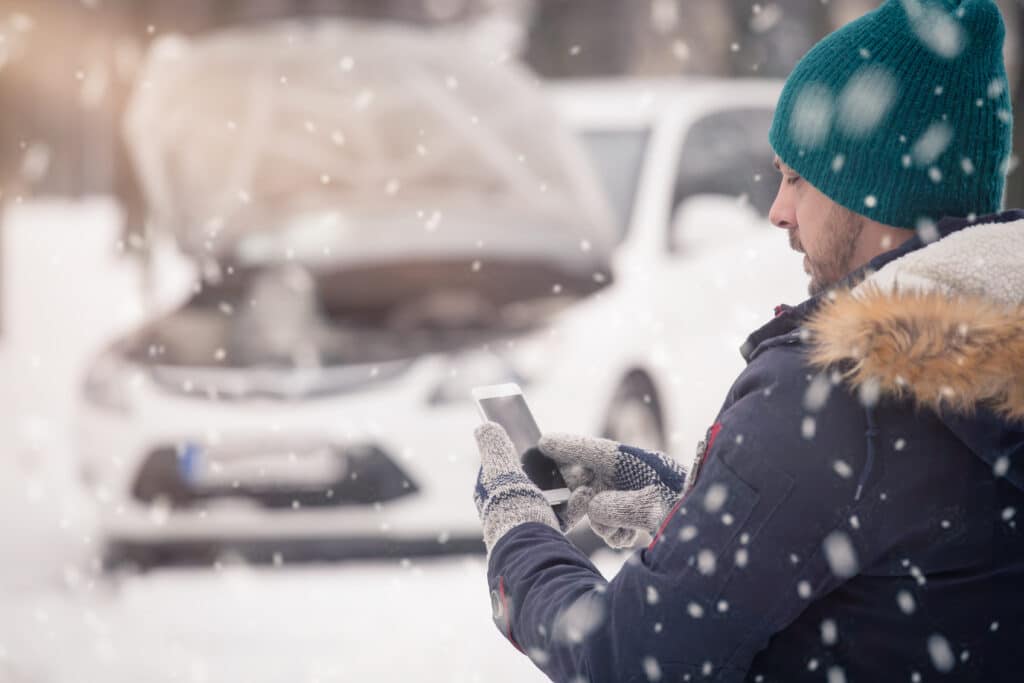
Winter driving can turn even a short, familiar trip into a real challenge. Between icy roads, limited visibility, and freezing temperatures, the risks increase dramatically. While towing services are a valuable safety net, the best scenario is avoiding the need for them altogether. With a little preparation and smart driving habits, you can stay safe, confident, and on the road this winter.
D&R Towing is ready to assist you with towing services, no matter the weather. Still, it’s better if you don’t need them. Here are some tips to prepare for winter driving and stay on the road.
Get Your Car Ready
One of the most important steps is preparing your vehicle before the winter weather kicks into gear. Start by checking your tires. Both tread depth and air pressure matter more in cold weather. Winter tires offer superior grip, especially on ice and packed snow. Make sure your battery is in good condition, too; cold temperatures can significantly reduce its performance. Top off all essential fluids, including antifreeze, low-temperature-rated windshield washer fluid, and winter-appropriate motor oil. If you didn’t get to all of these things before the first snowstorm, that’s okay! It’s never too late.
Adjust Your Driving Habits
Once your car is winter-ready, adjust your driving habits to match the conditions. Slow down, even if the roads appear clear. Black ice is nearly invisible, and sudden braking or turning can cause you to lose control. Increase your following distance to give yourself extra time to react, especially when driving behind large vehicles that may kick up snow. Use gentle, steady movements when accelerating and braking to maintain traction. If your vehicle begins to skid, stay calm, ease off the gas, and steer gently in the direction you want to go.
Clear All the Snow Off Your Car
And we mean ALL. Visibility plays a huge role in winter safety. Always clear snow and ice from your windows, mirrors, headlights, and roof before driving. Keeping your lights on during snow or fog can make a significant difference in how well others see you. If conditions become severe—whiteouts, freezing rain, or slick roads—don’t hesitate to pull over in a safe spot until the weather improves.
Expect the Unexpected
Finally, be prepared for the unexpected. Carry an emergency kit with essentials such as a blanket, flashlight, ice scraper, jumper cables, and a small shovel. A little preparation can turn a stressful situation into a manageable one. And of course, keep our number handy!